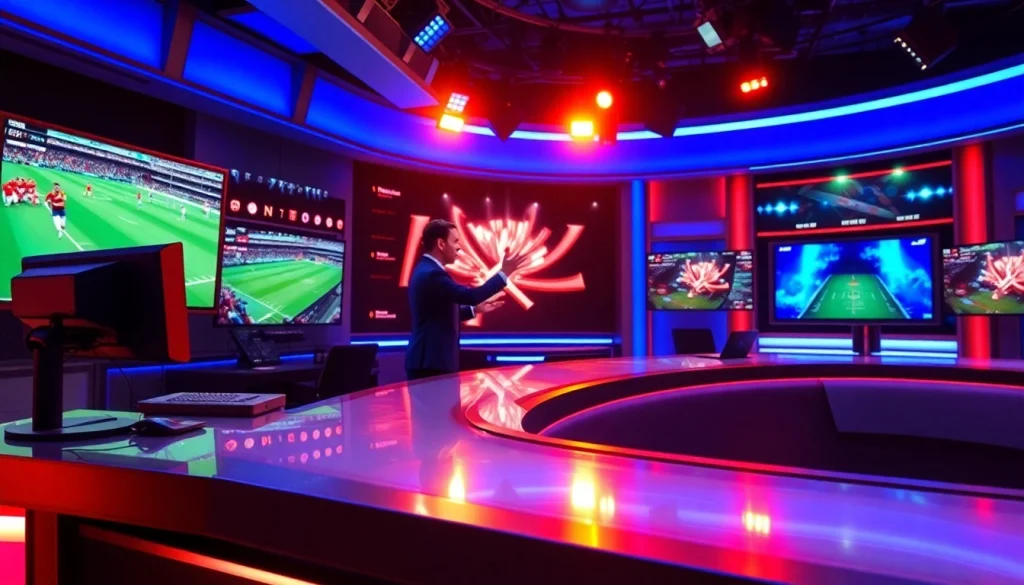
Understanding the Landscape of Sports Broadcasting
Introduction to Sports Broadcasting
Sports Broadcasting encompasses the distribution of sports events to audiences through various mediums, including television, radio, and online streaming platforms. With the rapid evolution of technology, the world of Sports Broadcasting has seen a monumental shift in how sports content is created, delivered, and consumed. Today, fans demand more engaging and immersive experiences than ever before. To meet these expectations, broadcasters not only relay the scores but create a narrative around events, enhancing viewer enjoyment. This dynamic field is constantly evolving, and understanding its nuances is essential for anyone aspiring to be involved in it. For a deep dive into this fascinating industry, explore Sports Broadcasting.
Key Technologies in Sports Broadcasting
Technological advancements have fundamentally transformed Sports Broadcasting, impacting both production and viewership experiences. Key technologies include:
- High-definition (HD) and 4K Broadcasting: Enhances clarity and detail, providing immersive viewing experiences.
- Remote Production: Uses internet connectivity to broadcast events without physical presence at the venue, reducing costs and increasing flexibility.
- Augmented Reality (AR) and Virtual Reality (VR): Offers innovative ways to present stats and interactive experiences, engaging viewers in real time.
- Cloud-Based Services: Facilitate access to resources and collaboration tools, paving the way for scalable production efforts.
- Artificial Intelligence (AI): Powers analytics, automated highlights, and personalized content recommendations.
The Evolution of Sports Broadcasting
The journey of Sports Broadcasting started in the early 1920s with radio broadcasts. As technology progressed, television revolutionized the industry in the 1950s, massively increasing viewership. The introduction of cable in the 1980s democratized access to sports content, while the internet age has redefined the broadcasting landscape with streaming services and social media.
Key milestones in the evolution include:
- First radio sports broadcasts in the 1920s.
- Televised sports events, including the infamous 1936 Berlin Olympics.
- The rise of cable networks in the 1980s, bringing comprehensive sports coverage.
- The dawn of online streaming, reshaping how audiences consume sports content.
- Integration of interactive technologies and social media engagement in the 2000s.
Essential Skills for Sports Broadcasters
Effective Communication Techniques
Successful sports broadcasters possess excellent communication skills, including verbal and non-verbal proficiency. Clarity, conciseness, and the ability to convey excitement are paramount. Engaging storytelling can transform a play-by-play commentary into a narrative that captivates audiences. Key techniques include:
- Active Listening: Understanding the nuances of gameplay and fan sentiment enhances commentary.
- Clarity of Speech: Articulate pronunciation ensures the audience grasps key details.
- Emotion Conveyance: Using tone to express excitement or tension helps to draw audiences into the action.
- Adaptability: Adjusting communication style to fit different formats – live events, recorded shows, and social media interactions.
Research and Preparation Strategies
Effective sports broadcasting hinges on thorough preparation. Researching teams, players, statistics, and historical context allows broadcasters to provide insightful commentary. Strategies include:
- Creating a Comprehensive Cheat Sheet: Compiling statistics, player biographies, and recent performances aids recall during broadcasts.
- Conducting Pre-Game Interviews: Insights from coaches and players provide depth to storytelling.
- Staying Updated on Industry News: Awareness of current trends and changes in teams enhances relevance.
- Practicing Commentary: Rehearsing scripts and scenarios hones delivery skills and builds confidence.
Building a Personal Brand in Sports Broadcasting
In a saturated market, standing out is crucial. Developing a unique brand involves leveraging individual strengths and establishing a distinct on-air persona. Steps include:
- Social Media Engagement: Regular interaction on platforms like Twitter and Instagram helps build a fan base and connects with audiences.
- Consistency in Style: Maintaining a consistent tone and presentation approach fosters audience loyalty.
- Networking: Building relationships within the industry can lead to collaboration opportunities and career advancements.
- Personal Website or Blog: Sharing insights and analyses allows broadcasters to showcase expertise and attract a following.
Production Elements of Sports Broadcasting
Behind the Scenes: Technical Crew and Roles
The success of any sports broadcast hinges not just on the talent in front of the camera but also on the skilled professionals working behind the scenes. Key roles include:
- Producer: Oversees the overall production, ensuring all elements come together smoothly.
- Director: Coordinates live footage and artistic direction during broadcasts.
- Cameramen: Capture action with precision and creativity to enhance visual appeal.
- Audio Engineers: Manage sound quality and balance ambient and voice audio for clarity.
- Graphic Designers: Create visual elements, including stats overlays and promotional graphics.
Live Event Coverage Techniques
Covering live sports events requires meticulous planning and adaptability. Techniques include:
- Dynamic Camera Angles: Using multiple camera feeds creates a more engaging viewer experience.
- Immediate Replays: Utilizing replay technology provides instant analysis and enhances audience understanding.
- Real-Time Updates: Constantly updating scores, player stats, and injury reports keeps the audience informed.
- Engaging Commentary: A blend of informative and entertaining commentary holds viewer interest throughout the event.
Graphics and Analytics Integration
The integration of graphics and analytics is vital for enhancing live broadcasts. Techniques include:
- Data Visualization: Presenting statistics graphically makes complex information digestible.
- Interactive Graphics: Utilizing touchscreen technology allows presenters to explore data dynamically.
- Live Polling: Engaging viewers with real-time polls fosters audience interaction and provides instant feedback.
- In-depth Analysis: Leveraging analytics tools can provide deeper insights into game dynamics, player performance, and strategy.
Engaging Audiences in Sports Broadcasting
Utilizing Social Media for Interaction
Social media serves as a powerful tool for engaging audiences. Effective strategies include:
- Real-Time Updates: Posting live updates on platforms like Twitter enhances viewer experience and participation.
- Fan Polls and Q&As: Actively involving fans in discussions allows broadcasters to gauge viewer sentiment.
- Behind-the-Scenes Content: Sharing exclusive content fosters a deeper connection with the audience.
- Cross-Promotion: Utilizing different platforms to promote broadcasts can increase viewership significantly.
Creating Compelling Storylines
Storytelling is at the heart of captivating sports broadcasts. Techniques include:
- Character Development: Crafting compelling narratives around teams and players engages viewers on a personal level.
- Building Historical Context: Connecting current events to historical ones enhances relatability.
- Using Emotion: Engaging viewers’ emotions through dramatic moments creates memorable broadcasts.
- Consistency: Developing ongoing narratives throughout a season builds lasting viewer investment.
Viewer Metrics and Feedback Analysis
Measurement and analysis are critical to understanding audience preferences. Key methods include:
- Viewer Ratings: Analyzing ratings data determines the popularity of specific broadcasts.
- Engagement Metrics: Monitoring social media interactions can unveil how audiences engage with content.
- Audience Surveys: Testimonials and feedback help refine broadcast strategies.
- Market Research: Understanding demographic trends enhances targeted content creation and delivery.
Future Trends in Sports Broadcasting
Integration of Virtual Reality and Augmented Reality
The future of Sports Broadcasting promises immersive experiences through AR and VR. Trends include:
- Virtual Playgrounds: Viewers can experience games virtually, offering a lifelike presence in the action.
- Enhanced Stat Presentation: AR can overlay advanced statistics during games, making information accessible without detracting from the action.
- Fan Interaction: Virtual reality allows fans to interact directly with players and other fans in a digital environment.
- Customizable Viewing Experiences: Adapting VR settings lets viewers choose their angles and experiences, creating personalized broadcasts.
The Impact of Streaming Services on Sports Broadcasting
Streaming services have changed the Sports Broadcasting landscape considerably. Key impacts include:
- Increased Accessibility: Fans can access games from anywhere, leading to increased viewership.
- Flexible Viewing Options: Options like on-demand viewing provide audiences with more control over their viewing experience.
- Subscription Models: Introduce new revenue streams; however, they also demand better competition for content quality.
- Data-Driven Insights: Streaming platforms use analytics to tailor content and suggestions to viewer preferences.
Innovations in Audience Engagement
Future innovations will continue to evolve audience engagement. Prospective trends include:
- Gamification: Incorporating game-like elements in broadcasts can enhance interactivity and viewer retention.
- Localized Content: Tailoring broadcasts to local audiences increases relevance and connection.
- Enhanced Community Features: Using chat rooms and fan forums during broadcasts can foster a sense of community among viewers.
- Personalized Notifications: Alerting fans to games and stats tailored to their preferences keeps them engaged and informed.
Frequently Asked Questions
What qualifications do I need to become a sports broadcaster?
A degree in communications, journalism, or sports management is beneficial, along with strong speaking and writing skills. Practical experience is critical.
How do I get experience in sports broadcasting?
Start by volunteering for local sports events, joining your school’s broadcasting team, or interning with media outlets to gain valuable experience.
What is the role of technology in sports broadcasting?
Technology enhances the quality of broadcasts, enables remote presentation, and allows innovative features like instant replays and interactive graphics.
How does social media impact sports broadcasts?
Social media provides real-time updates and engagement, increasing audience interaction and fostering a community among fans.
What trends should sports broadcasters watch for in the future?
Virtual reality, augmented reality, streaming service impacts, and innovative audience engagement strategies are key trends shaping the future landscape.